Virgin Atlantic aircraft flying into sunset

Fleet

We have one of the youngest and most fuel-efficient fleet in the skies and we’re doing everything we can to be as sustainable as possible, as soon as possible.


We’ve radically transformed our fleet

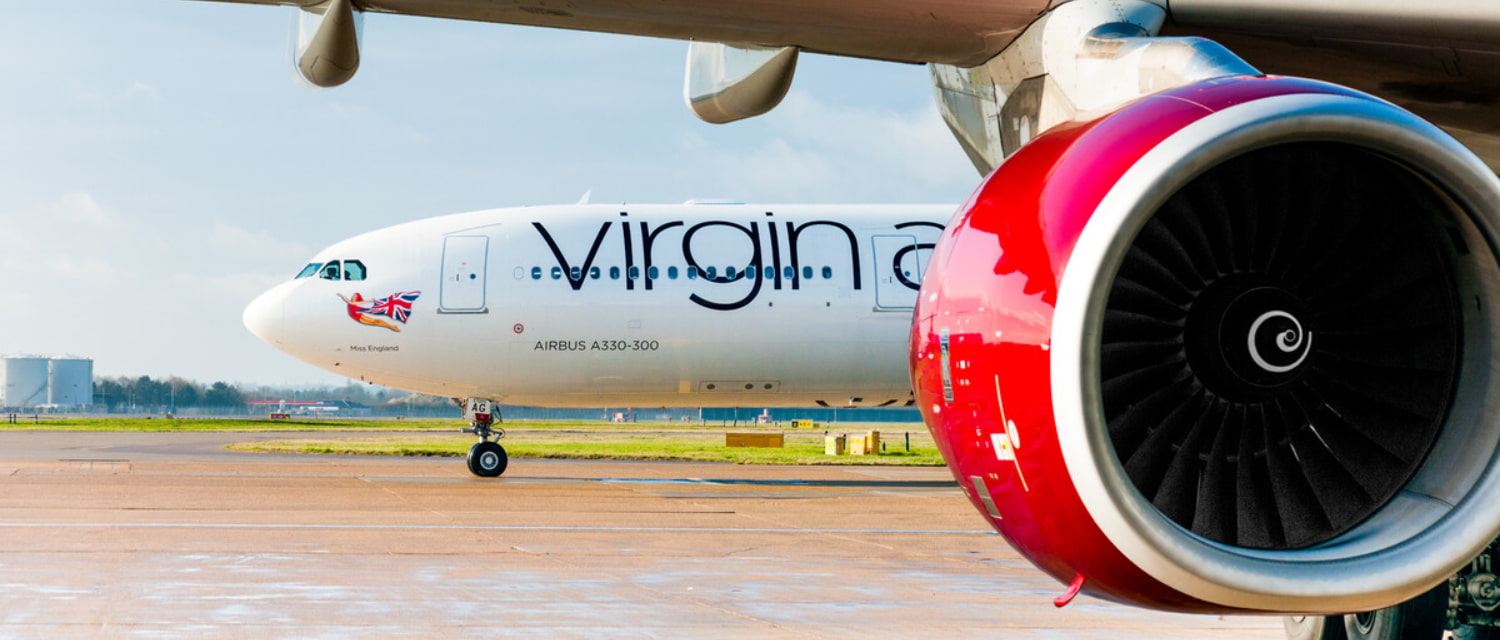
Following a multi-billion-dollar investment, we've invested in upgrading our aircraft. We now operate a fleet with the average aircraft age of just under seven years and 74% next generation aircraft. This means Virgin Atlantic is now up to 30% more efficient than other big commercial airlines. Is that perfect? No. But it’s a step in the right direction

Virgin Atlantic aircraft engine

Operational efficiency

Engineer at the Virgin Atlantic hanger looking out over the airport

While fleet transformation is key in delivering overall fuel efficiency and improving our CO2 intensity, we also need to maximise the efficiency of our network. passenger and cargo load factors. In 2022, we achieved a 4% reduction in CO2/RTK against our 2019 baseline - largely down to our more efficient fleet. But we’re always looking for opportunities to improve as we strive to meet our 2026 target.


We use behavioural economics and data science to provide the flight deck with feedback during and after the flight, so they can fly more efficiently from a fuel burn perspective, while still complying with fuel management and flight safety standards. 


In 2022, we saved almost 7,500 tonnes of jet fuel (23,600 tonnes of CO2) through our operational efficiency initiatives, including pilot technique, ground operations, weight reduction and flight planning optimisation.


We’re also optimising on the road as well as in the air, with 53% of our car fleet and non-specialist airport vehicles being petrol hybrid or electric. We’re aiming to increase that to 90% in 2024 as technology and infrastructure evolves. Over 30% of ground service equipment is petrol hybrid or electric right now.


The Contrail Impact Task Force

We’re also working together with airlines, academic institutions and technology experts to further understand the climate impact, formation and mitigation of contrails caused by commercial flying - sharing research, and turning it into actionable changes.

The story so far

• We’ve invested billions of dollars in our fleet transformation programme

• We operate one of the youngest and most fuel-efficient fleets in the sky with 74% next generation aircraft and an average age of less than seven years

• Our new A330neos are 11% more fuel and carbon efficient than the A330-300 they replace and also deliver 50% reduction in airport noise

• We saved almost 7,500 tonnes of jet fuel (23,600 tonnes of CO2) through our operational efficiency initiatives in 2022. Including pilot technique, ground operations, weight reduction and flight planning optimisation

A330Neo seat back TV

Case Study: A330Neo

In October 2022, the first of 16 A330neo aircraft to be delivered over five years flew in from Toulouse on 30% Sustainable Aviation Fuel. Pairing innovation with carbon efficiency, they’re 11%  more fuel efficient than the A330-300s they replace, as well as reducing noise contour by 50%. They’re also our first aircraft to feature leather free seating in our Upper and Premium cabins, with a weight reduction of 1.5kg per seat.

Pilot in cockpit oof an aircraft

Case study: Signol pilot programme

Our pilots use the Signol app to give them personalised data analysis and recommendations on how to fly more efficiently from a fuel burn perspective, helping to reduce fuel usage while, of course, complying with fuel management and flight safety standards. In 2022, we estimate that the carbon savings our pilots achieved with the use of Signol was over 8000 t/CO2. That’s equivalent to 60 flights between London and New York.

Virgin Atlantic aircraft flying into sunset

What's next for our fleet?

• Continued multi-billion pound investment in new aircraft with 100% next generation fleet by 2027.


• By 2026, we will achieve 15% gross reduction in carbon emissions per revenue tonne kilometre through our fleet programme.​


• We’ll continue to work with our partners to find ways to be more efficient, and invest in innovation and emerging technology.​

Find out more