

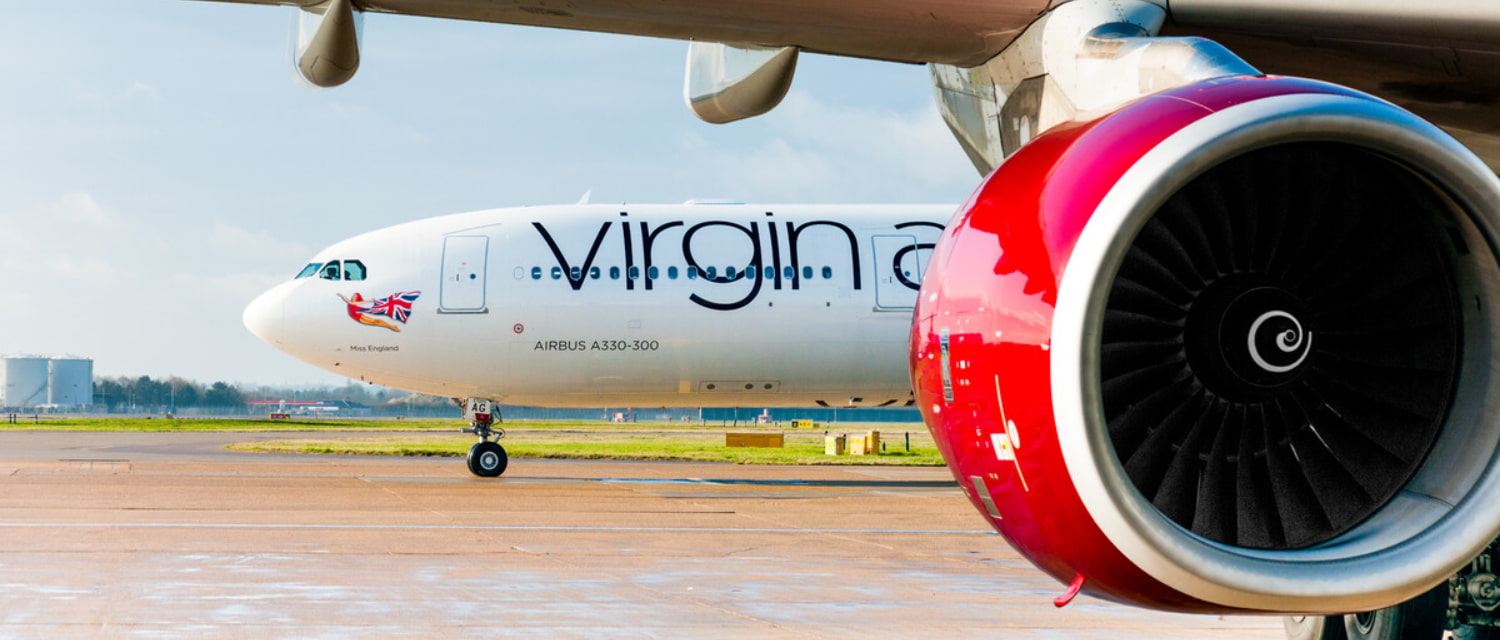

While fleet transformation is key in delivering overall fuel efficiency and improving our CO2 intensity, we also need to maximise the efficiency of our network. passenger and cargo load factors. In 2022, we achieved a 4% reduction in CO2/RTK against our 2019 baseline - largely down to our more efficient fleet. But we’re always looking for opportunities to improve as we strive to meet our 2026 target.
We use behavioural economics and data science to provide the flight deck with feedback during and after the flight, so they can fly more efficiently from a fuel burn perspective, while still complying with fuel management and flight safety standards.
In 2022, we saved almost 7,500 tonnes of jet fuel (23,600 tonnes of CO2) through our operational efficiency initiatives, including pilot technique, ground operations, weight reduction and flight planning optimisation.
We’re also optimising on the road as well as in the air, with 53% of our car fleet and non-specialist airport vehicles being petrol hybrid or electric. We’re aiming to increase that to 90% in 2024 as technology and infrastructure evolves. Over 30% of ground service equipment is petrol hybrid or electric right now.
The Contrail Impact Task Force
We’re also working together with airlines, academic institutions and technology experts to further understand the climate impact, formation and mitigation of contrails caused by commercial flying - sharing research, and turning it into actionable changes.


